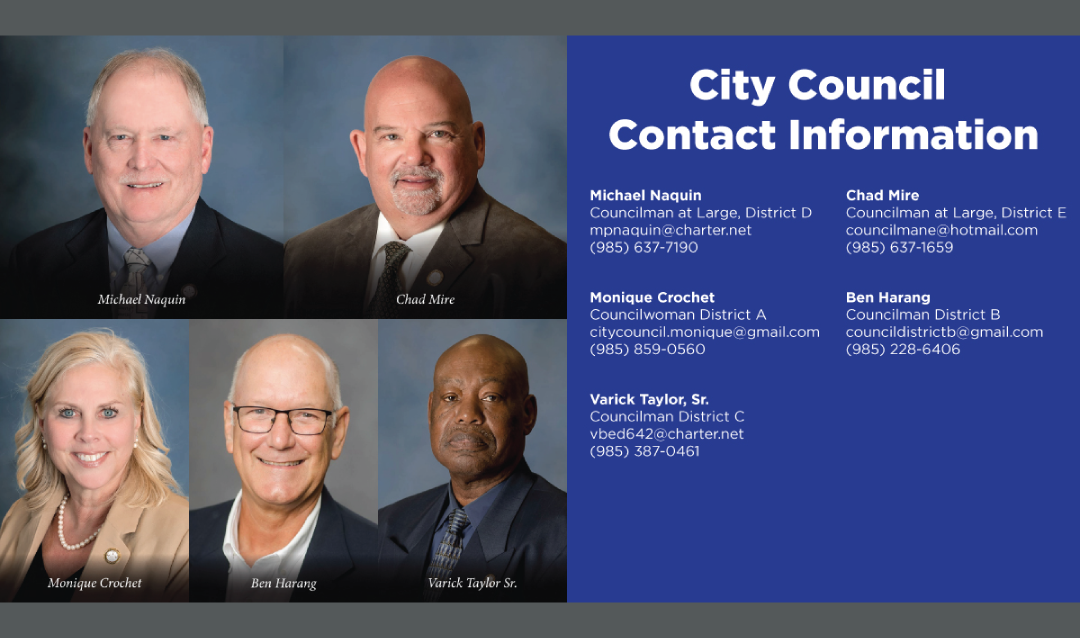
Dear Council Members,
The elections are behind us, and it is time to move forward.
My hope is that we can begin building a stronger working relationship between our elected officials and the citizens they represent – one that reflects the fundamental purpose of government: a government of the people, by the people, and for the people.
That requires more than the opportunity to vote. It requires citizens to have a meaningful voice in setting priorities, understanding how their tax dollars are spent, and participating in decisions that affect their community.
With that spirit, I am enclosing an organized review of the proposed budget, including recommendations raised at the recent pre-budget conference, and would appreciate clarification on several matters concerning the proposed 2027 city budget.
- Drainage and Infrastructure Priorities
During the election forums, drainage was repeatedly identified as one of the city’s most pressing priorities. Yet, in reviewing the proposed budget, I am having difficulty identifying funding that adequately addresses several known problems.
Specifically:
- Rienzi drainage: What funding has been allocated to address the 22 previously identified drainage problems in the Rienzi area? Is there a prioritized plan for resolving them?
- Midland Drive and west-side drainage: Approximately $2.1 million was previously spent on Midland Drive drainage improvements, yet significant problems reportedly remain. Has the city evaluated why those improvements did not produce the expected results? Is a comprehensive solution for that part of town included in the city’s master drainage plan?
- Natural gas infrastructure: I have not identified specific funding to address natural gas system improvements. What is the condition of our existing infrastructure, what improvements are required, and what funding is proposed?
- Master drainage plan: How do the proposed 2027 expenditures align with the city’s overall drainage priorities, including unresolved problems identified in previous studies?
Drainage professional fees and the unspent 2026 allocation.
The 2027 proposal lists $500,000 for “Drainage – Professional Fees” (budget page 196). My understanding is that the 2026 budget also allocated $500,000 to this category, but year-end spending is now projected at approximately $250,000. If those figures are correct, what will happen to the remaining $250,000? Will it be reappropriated for 2027? Could the council clarify whether the $500,000 proposed for 2027 is entirely new funding or whether any 2026 balance is included? If the balance remains available separately, will the total 2027 resources for this purpose be $750,000?
Project-specific drainage appropriations and council oversight.
I urge the council to consider amendments that identify individual drainage projects and their appropriated amounts, rather than relying solely on a broad drainage category. Where feasible, the adopted budget should identify the location, defined scope, and intended result for each priority project – including the Rienzi deficiencies and west-side drainage concerns. This would allow the council to establish spending priorities openly, provide the administration clear direction, and make subsequent changes or transfers visible to the council and public. How does the council intend to ensure that project selection and expenditures reflect its adopted priorities?
I recognize that some of these projects may be funded through other accounts, grants, or multiyear capital programs. If so, I would appreciate identifying those funding sources and the anticipated schedules.
My central question is whether the proposed budget adequately reflects the infrastructure priorities expressed by citizens during the election, or whether amendments are being considered to address these concerns.
- City Expenditures Compared With Similar Communities
I have also reviewed spending comparisons between Thibodaux and several Louisiana municipalities of comparable size.
My preliminary analysis indicates that Thibodaux’s expenditures are substantially higher, – approximately 30% above the communities included in my comparison.
I recognize that municipal budgets are not always directly comparable because cities may provide different services, operate different utilities, or account for expenditures differently.
Nevertheless, the differences are significant enough to warrant an explanation.
Has the city conducted a comparative analysis of its operating expenditures against similarly sized Louisiana municipalities?
If so, I would appreciate reviewing that analysis. If not, would the council consider requesting one before adopting the final budget? The objective is not simply to reduce spending. It is to understand whether our expenditures are justified by the services provided and the results achieved.
- Police Department Budget and Performance Measures
One area that particularly deserves examination is the Police Department.
My preliminary comparisons indicate that Thibodaux’s police expenditures are significantly higher than those of some comparable municipalities.
However, I have not found sufficient operational information to help citizens understand the reasons for those differences.
For example:
- How many sworn officers are employed, and how many are assigned to patrol versus administration and other functions?
- How many calls for service does the department receive annually?
- What are the department’s average response times?
- How many complaints and criminal investigations are received, and what are their disposition or clearance rates?
- What measurable service or public safety outcomes justify the proposed expenditures?
- How do our staffing levels, expenditures, and performance measures compare with similarly sized municipalities?
I am not questioning the importance of public safety or the dedication of our police officers. I am asking how we measure the value and effectiveness of the public services we fund. Citizens should have access to understandable information showing what we spend, what services we receive, and how well those services perform.
- City Court and City Marshal’s Office
I also noticed what appears to be the elimination of funding for the security position associated with City Court and traditionally handled through the City Marshal’s Office.
My understanding is that Shawn Snow currently holds this position.
Could the council clarify:
- Has funding for this position been removed from the proposed 2027 budget?
- If so, is the administration proposing to eliminate the position or transfer its responsibilities elsewhere?
- What is the rationale for this proposed change?
- How will security services for City Court be provided going forward?
I would appreciate understanding whether this represents an actual elimination of funding or simply a change in how the position is budgeted.
- Aligning the Budget With Citizen Priorities
A city budget is more than a financial document. It is a statement of priorities.
The elections provided an opportunity for citizens to express their concerns, particularly about drainage, infrastructure, public safety, and responsible spending.
Now we have an opportunity to demonstrate that those concerns are reflected in the decisions being made.
I am not suggesting that every problem can be solved in a single budget year. But I do believe citizens deserve to know:
- What problems have been identified?
- Which problems are being prioritized, and why?
- What resources are being committed?
- What results and timelines should citizens expect?
I would welcome any corrections to my interpretation of the proposed budget and appreciate a written response identifying the relevant allocations, plans, and any amendments under consideration.
My interest is not to criticize for the sake of criticism. It is to help build a more informed and engaged relationship between citizens and their elected representatives.
The election determined who would represent us. What we do together now will determine how well we are represented.
I would appreciate a written response addressing these concerns, including clarification of the proposed budget allocations and any amendments under consideration. I look forward to receiving your response and to working together to ensure that our city’s priorities reflect the needs and concerns of its citizens.
P.S. I plan to share this document and your responses to a large audience.
Respectfully,
John W. Toups